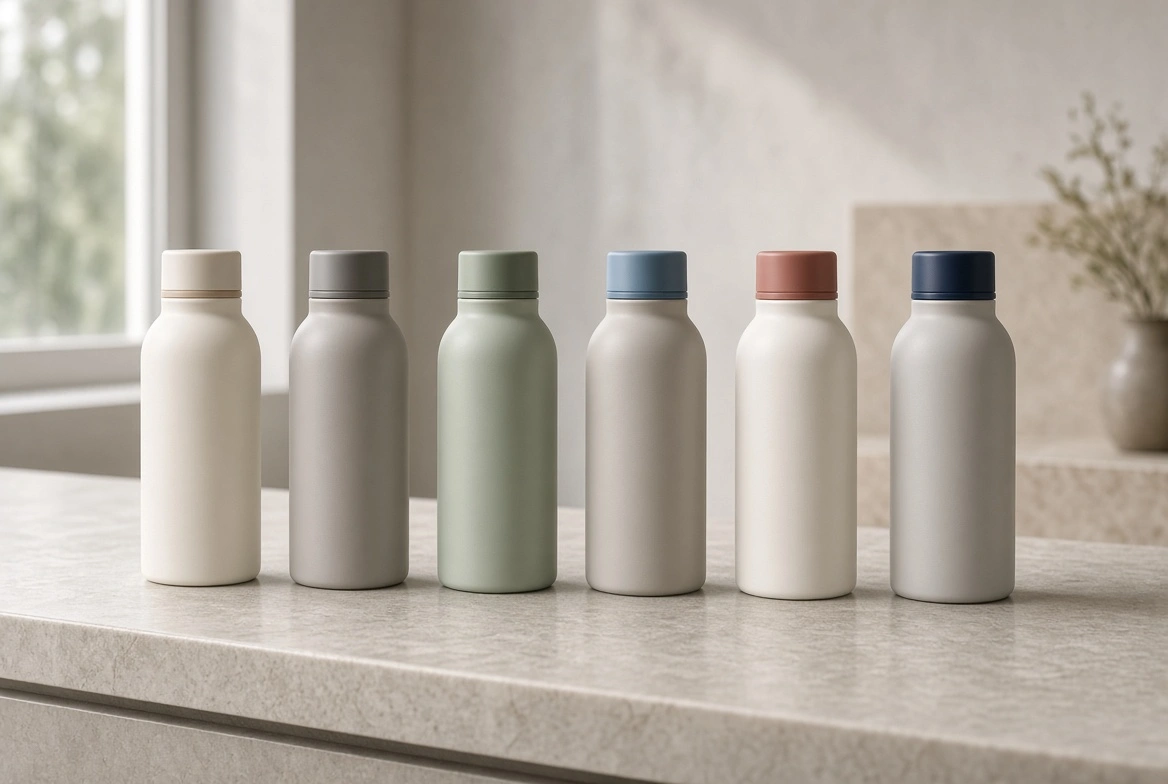
How to Label Travel Bottles So You Don’t Wash Your Hair in Lotion
Six identical bottles and you cannot see through any of them. Why every labeling method fails in a wet bag, the four that survive, and what the label should say.
Six identical bottles and you cannot see through any of them. Why every labeling method fails in a wet bag, the four that survive, and what the label should say.
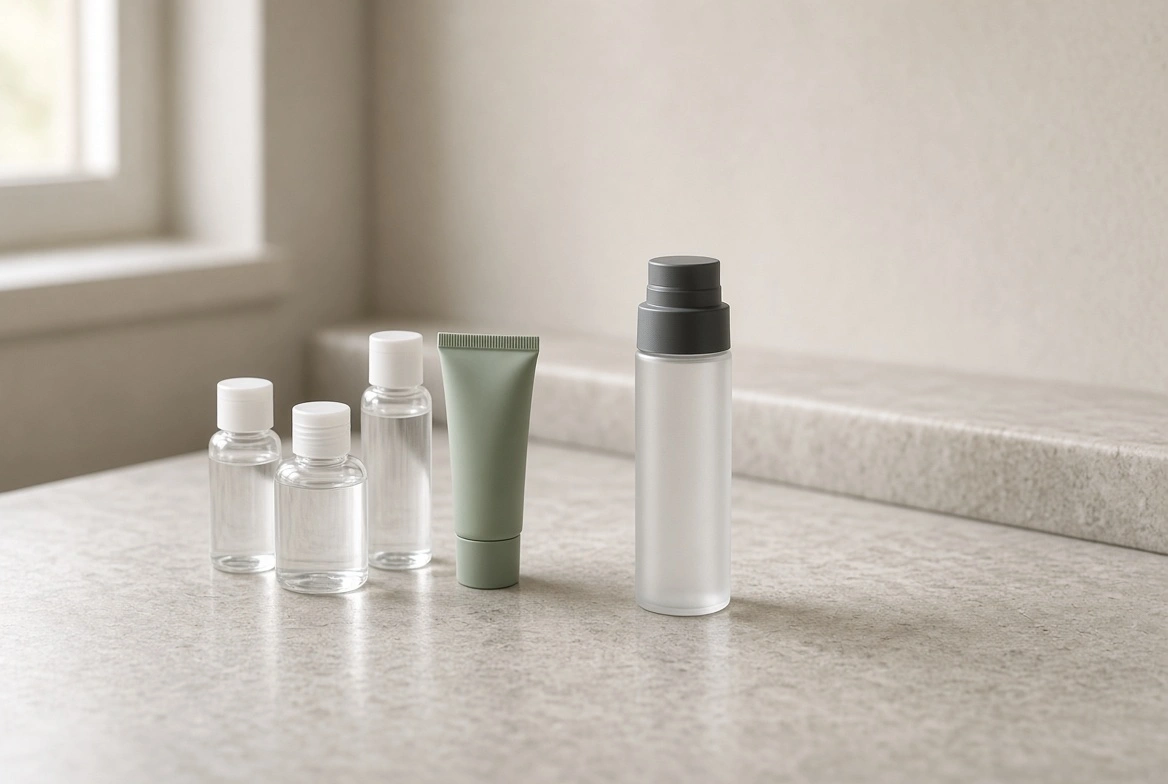
The set is cheap and the single is not, and you cannot tell what the difference buys. The five things price can pay for, and the one test that answers it for you.
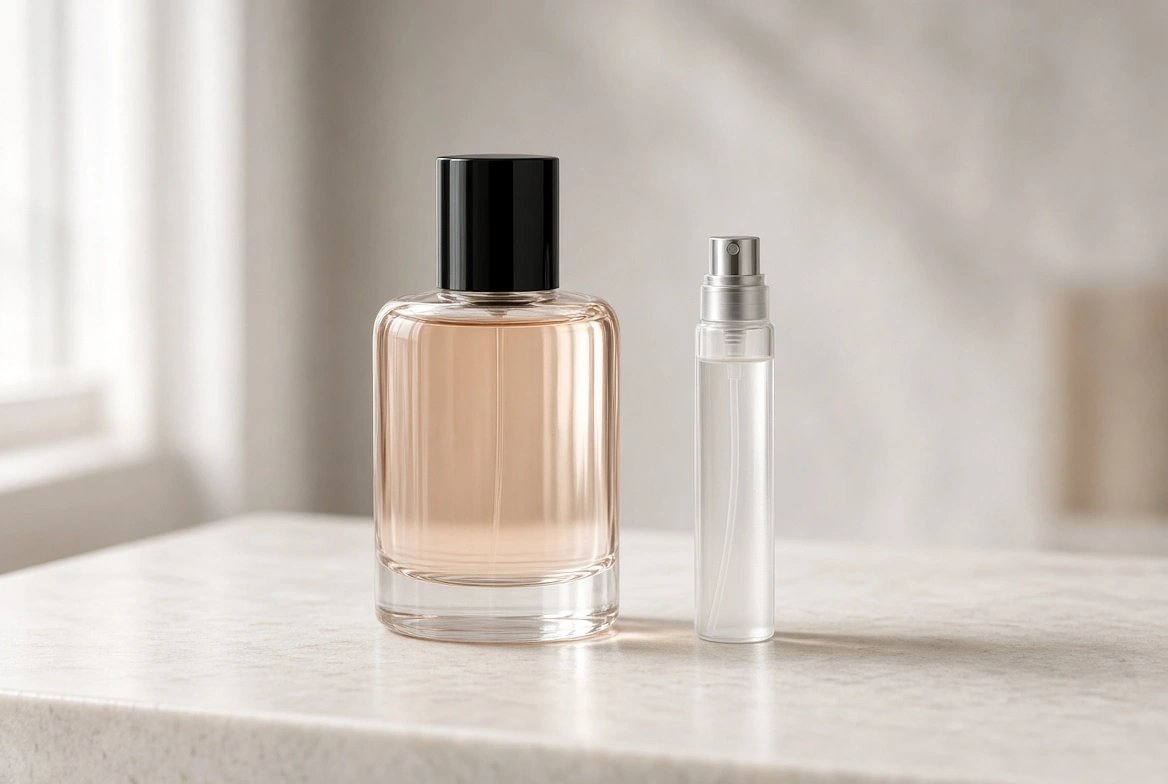
Will it still smell right in three days? What a decant actually exposes a fragrance to, why the atomizer type matters, and the rules that are not this site’s to make.
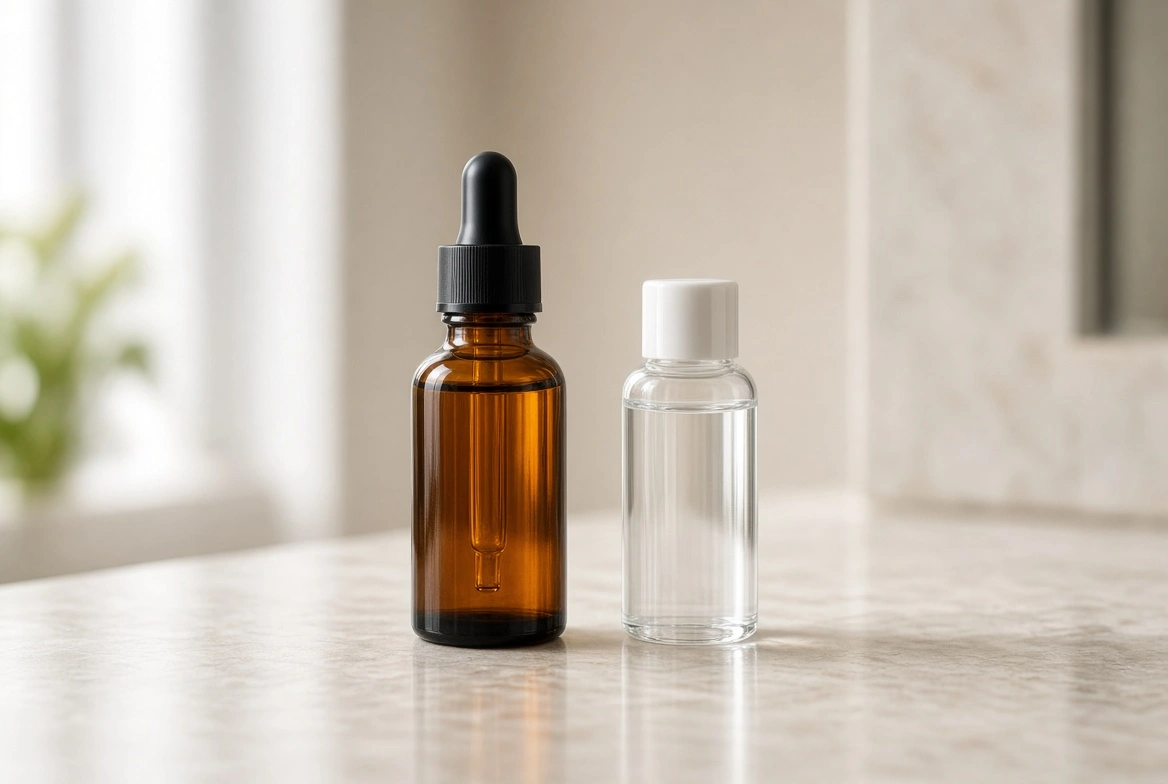
Will your serum oxidize out of the amber glass? What the amber and the airless pump are actually for, and why the label is the only source that knows your product.
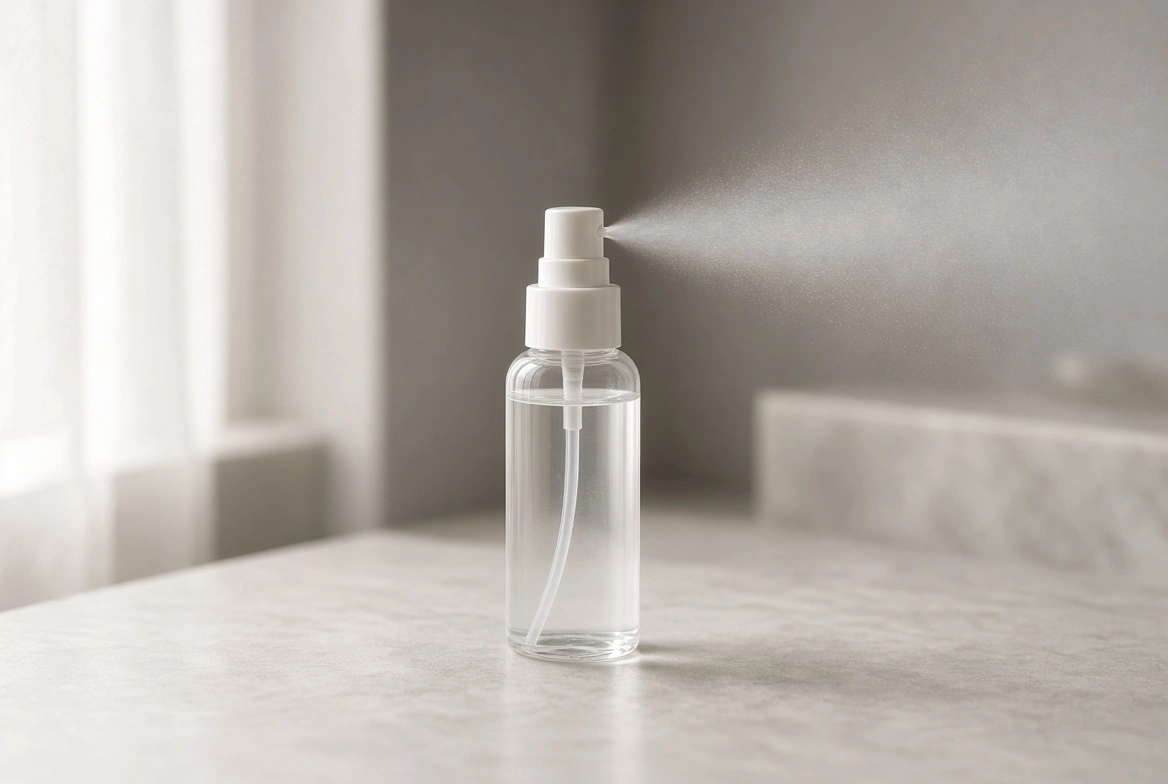
It sprayed beautifully for two days and now it spits. What a continuous mist sprayer actually is, why the mechanism is fussy about what goes in it, and how to clear one.
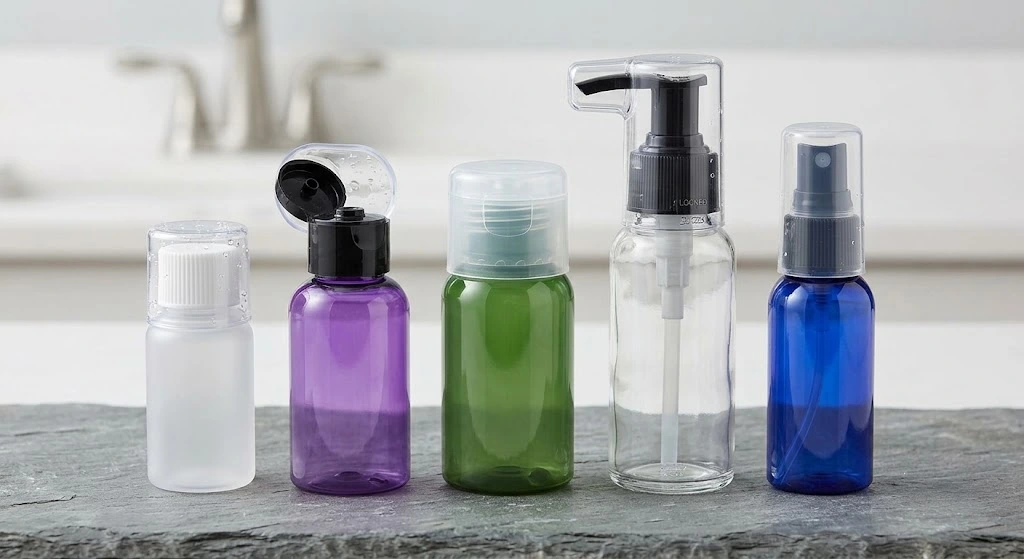
The lid is what fails, not the bottle. What each closure type is actually built to do, which ones have a moving part under pressure, and how to test yours at home.
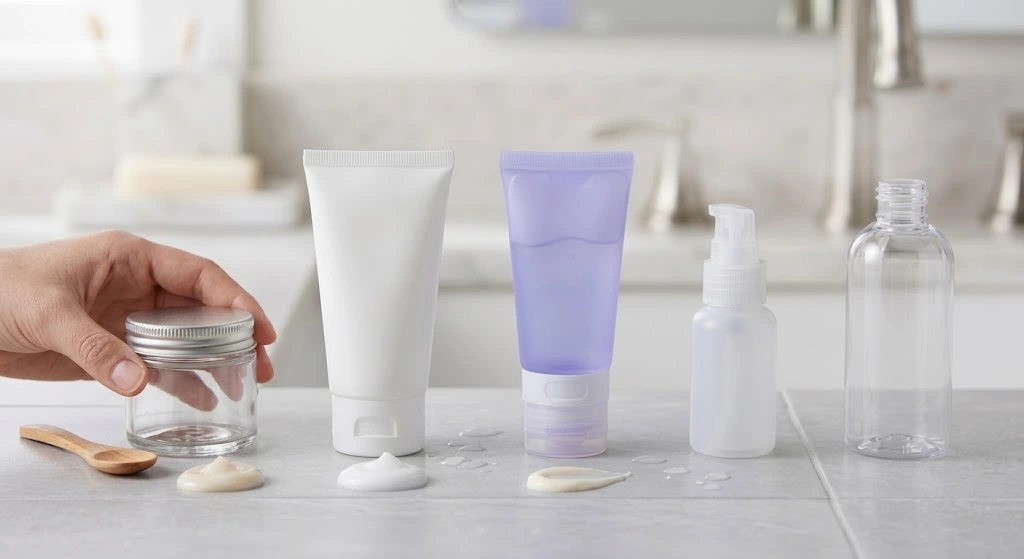
It will not squeeze out and it will not pour in. Why the aperture decides this and not the material, and the four container shapes that actually work for thick products.
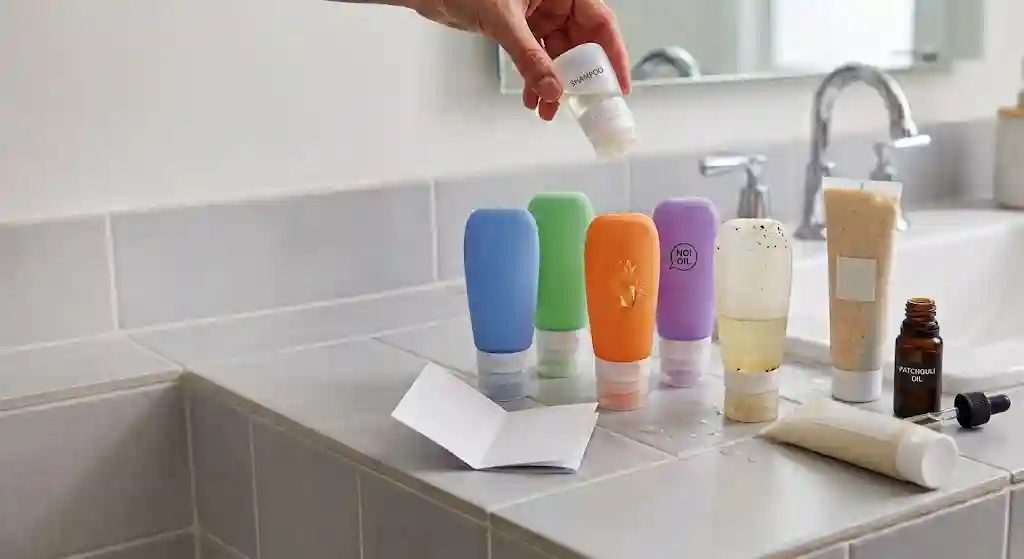
Some products stain a silicone bottle, some make it smell forever, and some are a container question rather than a material one. How to tell before you decant.
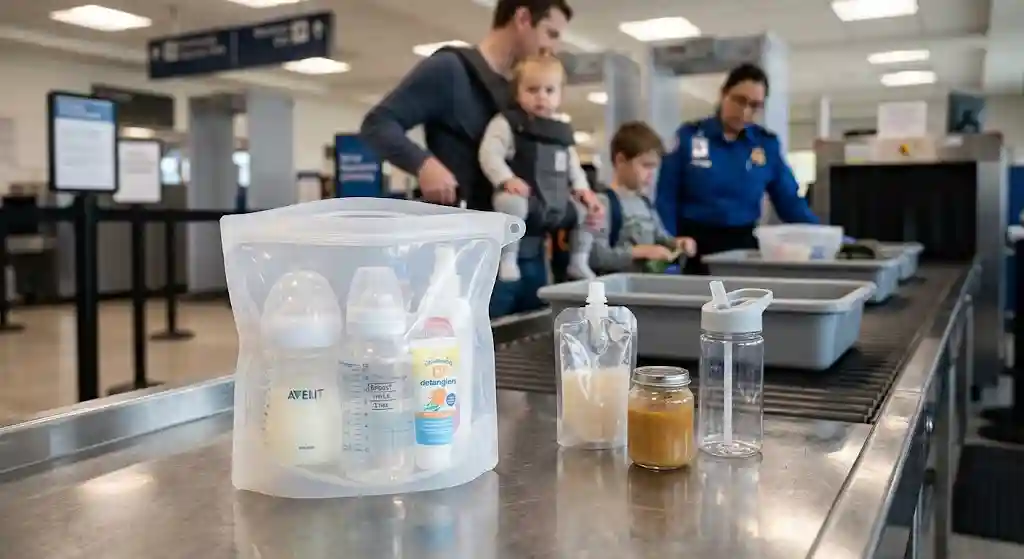
Formula, breast milk and toddler drinks are exempt from the quart bag. Kids’ shampoo is not. What travel bottles for kids need to clear security.
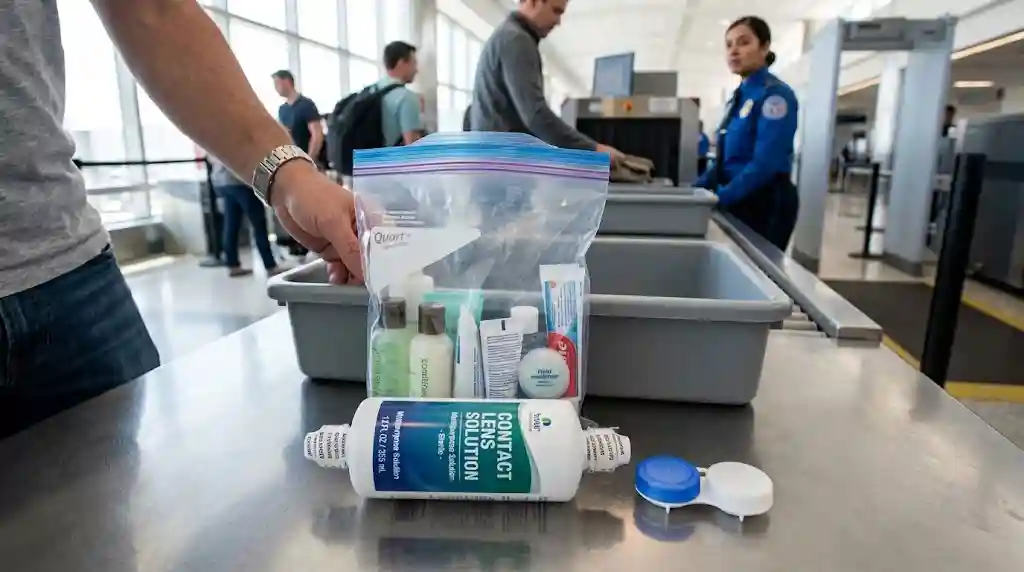
Contact lens solution over 3.4oz can travel as a declared medical liquid, but it is not a guaranteed pass. What the rule covers, and why not to decant it.